Top Tips for Effective Land Clearing Techniques
- BEAR GRADE
- Dec 27, 2025
- 3 min read

Land clearing is an essential process for various projects, from agriculture to construction. Whether you're preparing a site for a new home, creating farmland, or clearing a path for a road, effective land clearing techniques can save you time, money, and effort. In this blog post, we will explore the best practices for land clearing, ensuring you achieve optimal results while minimizing environmental impact.
Understanding Land Clearing
Before diving into the techniques, it's crucial to understand what land clearing entails. Land clearing involves removing trees, shrubs, and other vegetation from a specific area. This process can be necessary for various reasons, including:
Agricultural Development: Preparing land for crops or livestock.
Construction Projects: Making space for buildings, roads, or other infrastructure.
Land Management: Maintaining forests or natural areas to prevent wildfires or promote biodiversity.
Importance of Effective Land Clearing
Effective land clearing is vital for several reasons:
Safety: Clearing land reduces the risk of wildfires and other hazards.
Efficiency: Proper techniques can speed up the clearing process, saving time and labor costs.
Environmental Impact: Thoughtful clearing can minimize damage to the ecosystem and promote sustainable practices.
Planning Your Land Clearing Project
Assessing the Land
Before starting any clearing project, assess the land thoroughly. Consider the following factors:
Vegetation Type: Identify the types of trees and plants present. Different species may require different clearing methods.
Soil Quality: Understanding the soil can help determine the best approach for land use after clearing.
Wildlife: Be aware of any wildlife habitats that may be affected by your clearing efforts.
Setting Clear Objectives
Define your goals for the land clearing project. Are you looking to create farmland, build a structure, or simply clear a path? Having clear objectives will guide your decisions throughout the process.
Effective Land Clearing Techniques
Manual Clearing
Manual clearing involves using hand tools to remove vegetation. This method is labor-intensive but can be effective for small areas or delicate ecosystems. Tools commonly used include:
Chainsaws: Ideal for cutting down trees and large shrubs.
Brush Cutters: Useful for clearing dense underbrush.
Hand Tools: Such as axes, machetes, and shovels for smaller tasks.
Pros:
Low cost
Minimal environmental impact
Cons:
Time-consuming
Labor-intensive
Mechanical Clearing
For larger areas, mechanical clearing may be more efficient. This method uses heavy machinery to remove vegetation quickly. Common equipment includes:
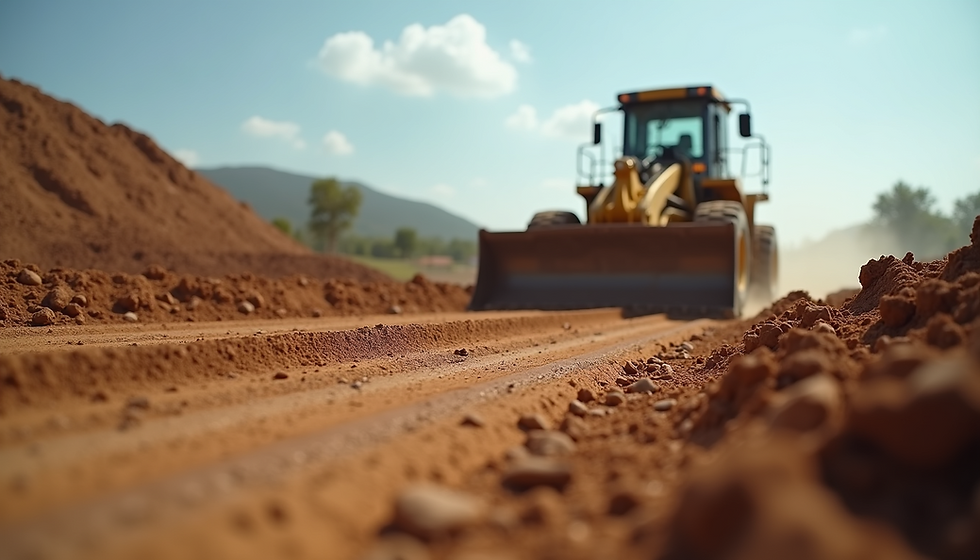
Bulldozers: Effective for pushing over trees and clearing large areas.
Excavators: Useful for digging up roots and removing stumps.
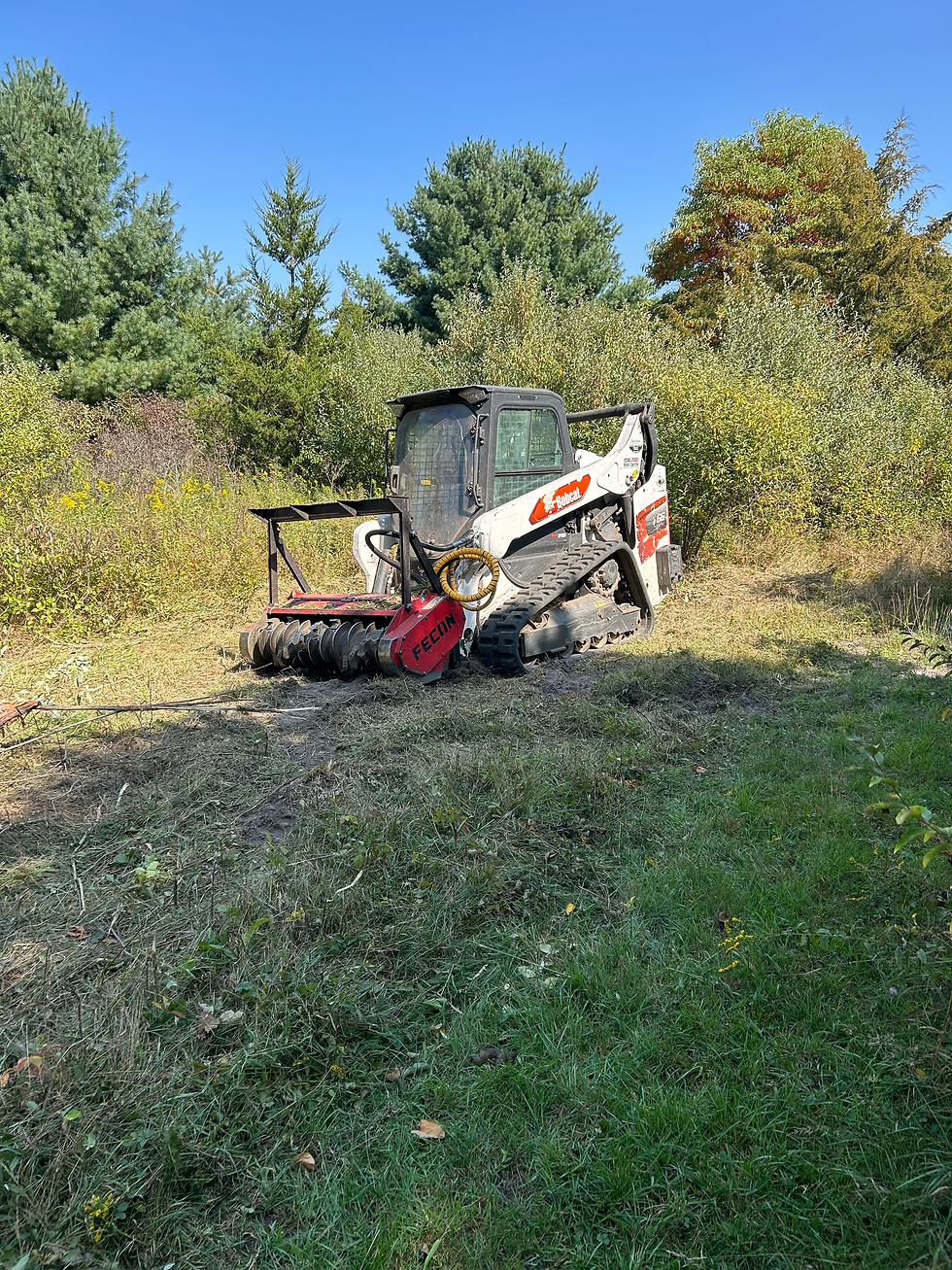
Skid Steers: Versatile machines that can be equipped with various attachments for different tasks.
Pros:
Faster than manual clearing
Can handle larger areas
Cons:
Higher cost
Potential for soil compaction and environmental damage
Chemical Clearing
Chemical clearing involves using herbicides to kill unwanted vegetation. This method can be effective but requires careful consideration of environmental impacts. Key points include:
Targeted Application: Use chemicals selectively to minimize harm to desirable plants.
Timing: Apply chemicals during the growing season for maximum effectiveness.
Safety Precautions: Follow all safety guidelines and regulations when using chemicals.
Pros:
Effective for stubborn vegetation
Can be less labor-intensive
Cons:
Potential environmental harm
Requires careful handling and application
Implement Erosion Control Measures
After clearing, implement erosion control measures to prevent soil erosion and protect water quality. Options include:
Silt Fences: To capture sediment runoff.
Planting Cover Crops: To stabilize the soil and promote regrowth.
Plan for Replanting
Consider replanting native vegetation after clearing to restore the ecosystem. Native plants can help maintain biodiversity and prevent invasive species from taking over.
Conclusion
Effective land clearing techniques are essential for successful project outcomes. By understanding the various methods available and following best practices, you can ensure a smooth clearing process while minimizing environmental impact. Whether you choose manual, mechanical, or chemical methods, always plan carefully and consider the long-term effects of your actions.
As you embark on your land clearing journey, remember to assess your land, set clear objectives, and follow local regulations. With the right approach, you can achieve your goals while supporting a healthy ecosystem.
Take the first step today by evaluating your land and planning your clearing project effectively!


Comments